History of our Universe
 Copyright: A. Dressler (Carnegie Institutions of Washington), M. Dickinson (STScI), D. Macchetto (ESA/STScI), M. Giavalisco (STScI), and NASA
Show in archive: true
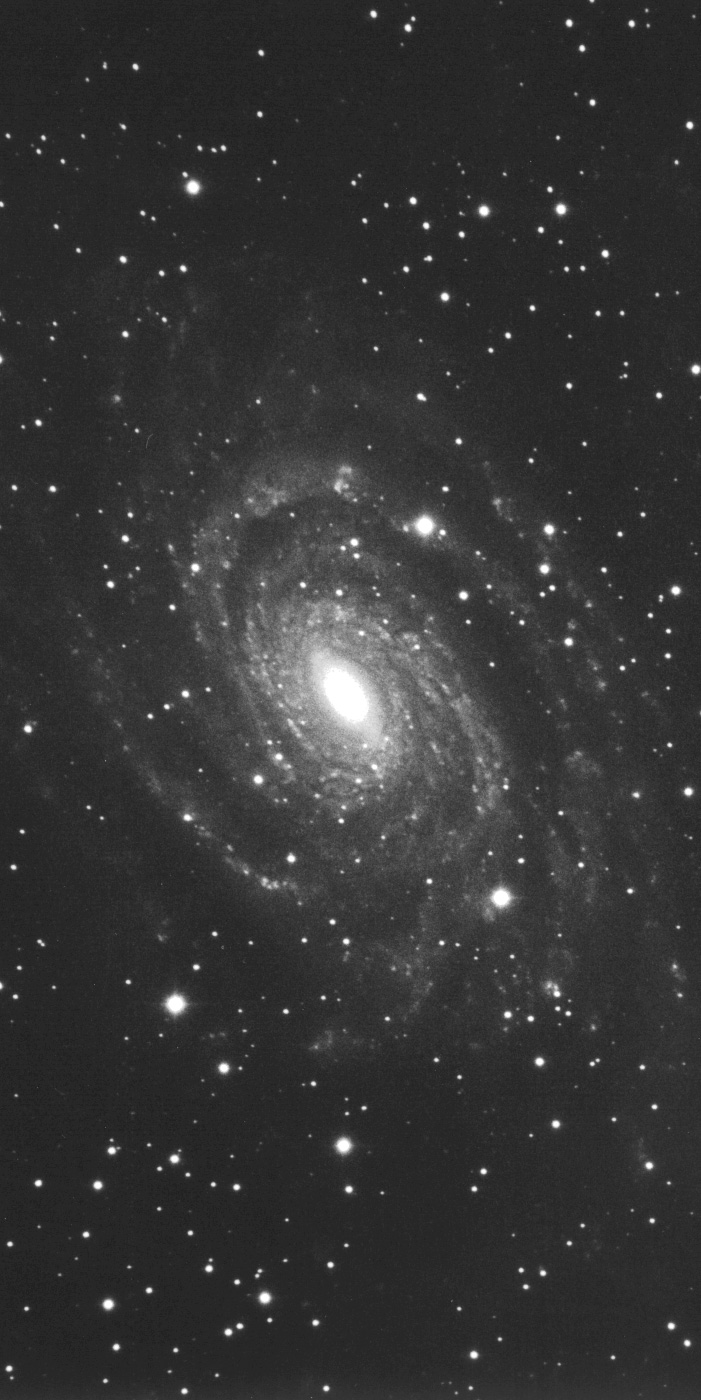
These are traditional spiral and elliptical-shaped galaxies that make up the two basic classes of island star cities that inhabit the universe we see in our current epoch (14 billion years after the birth of the universe in the Big Bang). Elliptical galaxies contain older stars, while spirals have vigorous ongoing star formation in their dusty, pancake-shaped disks. Our Milky Way galaxy is a typical spiral, or disk-shaped galaxy, on the periphery of the great Virgo cluster. Both galaxies in this column
are a few tens of millions of light-years away, and therefore represent our current stage of the universe s evolution.
Copyright: A. Dressler (Carnegie Institutions of Washington), M. Dickinson (STScI), D. Macchetto (ESA/STScI), M. Giavalisco (STScI), and NASA
Show in archive: true
These are traditional spiral and elliptical-shaped galaxies that make up the two basic classes of island star cities that inhabit the universe we see in our current epoch (14 billion years after the birth of the universe in the Big Bang). Elliptical galaxies contain older stars, while spirals have vigorous ongoing star formation in their dusty, pancake-shaped disks. Our Milky Way galaxy is a typical spiral, or disk-shaped galaxy, on the periphery of the great Virgo cluster. Both galaxies in this column
are a few tens of millions of light-years away, and therefore represent our current stage of the universe s evolution.
Last Update: 1 September 2019